Reviewing the Teacher Sublimation SVG for Embroidery Projects
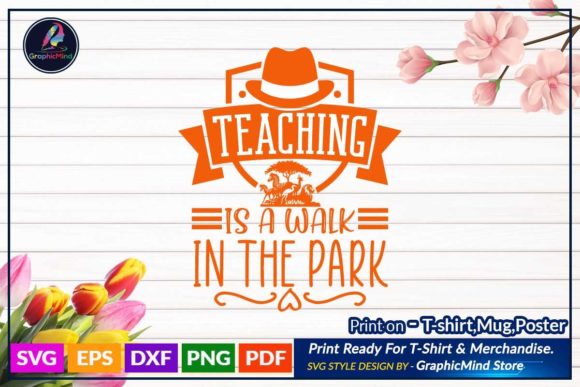
As a designer who spends more time at the hoop than away from it, I approach every new digital embroidery file with a mix of curiosity and caution. When I first pulled up the Teacher Sublimation Svg Design, my initial reaction was to appreciate the sentiment. "Teaching is a walk in the park" is a classic phrase, but in our line of work, we know the reality is often far more chaotic. That irony makes for a great selling point on a handmade product. However, since this listing is categorized under Crafts and Graphics as a digital download intended for sublimation, using it for machine embroidery requires a strategic eye. We aren't just printing ink; we are translating vectors into thread, and that changes everything.
Visual Personality and Design Layout
The first thing I look for in any design meant for conversion is the layout. Does it have a strong silhouette? For a machine embroidery design, clarity is king. This particular graphic relies heavily on typography and likely some illustrative elements like trees or park benches to sell the "walk in the park" theme. In a sublimation context, gradients and fine lines work beautifully. In embroidery, those same features can become a nightmare if not handled correctly. The mood is playful and appreciative, perfect for end-of-year gifts or back-to-school merchandise. However, the visual personality needs to be robust enough to survive the translation from screen to stitch. If the original SVG has extremely thin lines or tiny text, those details might get lost when converted to a satin stitch or fill stitch.
Real-World Application: The Boutique Tote Bag
Let's imagine a real scenario. You run a small shop product line focusing on teacher appreciation gifts. You decide to use this design on a heavy canvas tote bag design. This is a high-traffic item for educators, used to carry papers, laptops, and lunch boxes. If you digitize this Teacher Sublimation Svg Design effectively, it becomes a standout piece. Imagine the design centered on the front panel, utilizing bold thread colors that pop against the natural canvas. The key here is how the design handles the fabric texture. Canvas has a weave that can swallow up small details. If the "walk in the park" lettering is too delicate, it will look muddy. A successful conversion would involve thickening the strokes and perhaps using a running stitch outline to define the shapes clearly against the textured background.
Alternatively, consider sweatshirt embroidery. A cozy fleece hoodie with this design on the left chest or across the back is a huge seller during cooler months. The softness of the fleece pairs well with the whimsical nature of the quote. However, fleece is stretchy and thick. You must ensure your digitizing accounts for the push and pull of the fabric. If the design is too dense, the garment will pucker, ruining the professional look of the finished product.
Navigating Technical Challenges
While the concept is charming, there are specific areas where you need to exercise caution. Since the source file is an SVG meant for printing, it lacks the inherent stitch data of a dedicated embroidery file. You cannot simply load this into your machine; it must be digitized first. This is where many crafters stumble.
- Small Hoop Sizes: If you plan to put this on a cap or a small pocket, check the aspect ratio. The phrase might be too long for a standard 4x4 hoop without shrinking the text to an unreadable size.
- Tiny Lettering: The word "park" or "walk" might contain small counters (the enclosed spaces in letters like 'a', 'e', 'o'). In embroidery, these need to be large enough to not fill in with thread. If the original SVG has script fonts, they are notoriously difficult to stitch out cleanly without significant modification.
- Dense Stitch Areas: If the design includes solid blocks of color representing grass or sky, be careful not to create a cardboard-like effect. High stitch density makes the fabric stiff and uncomfortable to wear.
- Dark Fabric: Sublimation files often assume a white or light background. If you are stitching this onto a navy blue teacher's sweater, you must manually add a background fill or outline in your digitizing software, or the design will look incomplete.
Enhancing Value and Professionalism
Why go through the trouble of converting a sublimation graphic to embroidery? Because the perceived value is significantly higher. An embroidered patch or a directly stitched custom apparel item feels more durable and premium than a printed one. For an Etsy seller, offering an embroidered version of a popular sublimation trend can set your shop apart. It signals to the buyer that you offer a personalized gift crafted with care, not just a mass-produced print. This attention to detail builds customer trust and encourages repeat business. When a teacher receives a tote bag where every letter is perfectly stitched with high-quality thread, the emotional impact is greater. It transforms a simple graphic into a cherished keepsake.
Furthermore, consistency in your brand is vital. If your boutique specializes in high-end educator gifts, using this design with premium metallic or variegated thread colors can elevate the aesthetic. It shows that you understand the medium and respect the recipient. A poorly executed stitch job, however, can damage your reputation instantly. Buyers notice loose threads, uneven tension, and puckering. Therefore, the decision to use this SVG should come with a commitment to quality control.
Practical Notes for the Designer
Before you commit to producing a batch of these for a craft fair or holiday rush, there are essential steps to take. First and foremost, test the design on scrap fabric that matches your final product. Do not skip this step. What looks good on the screen often behaves differently under the needle. Check the thread color contrast; sometimes two shades that look distinct on a monitor blend together when stitched.
You must also verify the licensing terms. The product description states this is a digital download for instant access, but it does not explicitly detail commercial embroidery rights. Many sublimation designers license their SVGs strictly for printing. Using them for commercial embroidery sales might require a different license or direct permission. Always confirm this before listing items in your online store. Additionally, review the stitch direction. Long spans of satin stitch without underlay will sag over time, especially on items like aprons or kitchen towels that undergo frequent washing. Proper stabilizer selection is non-negotiable here; a cut-away stabilizer is usually best for garments that need to maintain their shape.
Finally, consider creating printable mockups of your embroidered version to show customers exactly what they are buying. Since the original asset is a flat graphic, your mockups need to simulate the texture of thread to manage expectations. By treating the Teacher Sublimation Svg Design not just as an image but as a blueprint for a tactile creation, you unlock its true potential. Whether it ends up on a nursery decor pillow or a sturdy work apron, the success lies in the execution. With careful digitizing and thoughtful material choices, this design can become a staple in your collection of design assets, bridging the gap between digital convenience and handmade artistry.